
Understanding the psychology of gambling in casinos
The Allure of Casino Environment
Casinos are designed to captivate and engage visitors, employing various psychological tactics to create an enticing atmosphere. The use of bright lights, vibrant colors, and engaging sounds works to stimulate the senses, making guests feel excited and immersed in the experience. This sensory overload can create a euphoric state that makes individuals more susceptible to gambling, often leading to prolonged stays and increased spending. Many people spend time exploring the best online casinos canada in search of entertainment while enjoying the thrill of gaming.
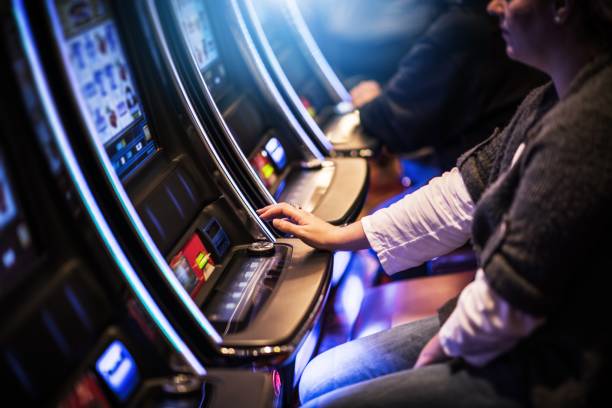
The layout of a casino also plays a crucial role in attracting players. The absence of clocks and windows disorients visitors, making it challenging to track time or recognize the passage of hours. This designed confusion encourages individuals to gamble longer than they initially intended, capitalizing on the natural inclination to lose track of time in such environments.
The Role of Near Misses
One of the most psychologically intriguing aspects of gambling is the phenomenon known as the “near miss.” This occurs when a player comes close to winning but ultimately does not succeed. Neurological studies suggest that near misses can trigger feelings of excitement similar to actual wins, reinforcing players’ engagement and encouraging them to continue gambling. This can lead to a cycle where players believe they are on the cusp of winning, ultimately driving them to wager more, hoping for that elusive win.
Furthermore, casinos often exploit this psychological concept by designing games that heighten the anticipation. The exhilarating feeling of almost winning can create a strong emotional response, fostering a sense of hope that keeps players returning to the games. This strategy is instrumental in maintaining player engagement and prolonging their time spent gambling.
The Illusion of Control
Many gamblers engage in what is known as the illusion of control, which refers to the belief that they can influence the outcome of a game through skill or strategy, even in games of pure chance. For example, players may think that choosing certain numbers or employing specific betting systems can sway the odds in their favor. This belief is often at odds with the reality of games such as slots or roulette, where outcomes are entirely random and independent.
This cognitive bias can lead players to take greater risks, as they feel a false sense of empowerment over the outcome of their bets. The belief that they can control or predict outcomes fuels continued participation and can lead to substantial financial losses, as players chase their belief in personal skill or strategy rather than acknowledging the inherent randomness of the games.
Addiction and Compulsive Behavior
The psychology behind gambling can also lead to addiction and compulsive behaviors, affecting individuals and their loved ones. The thrill of winning can trigger the brain’s reward system, releasing dopamine and creating a feeling of pleasure that many players seek to replicate. Over time, this can result in a gambling addiction, where individuals prioritize gambling over other life responsibilities and relationships.
As compulsive gamblers chase losses, they may find themselves trapped in a cycle of debt and desperation. This often leads to emotional distress, mental health issues, and strained relationships. Understanding the psychological factors at play can aid in identifying warning signs and promoting healthier gambling habits, assisting individuals who may be struggling with addiction.
Connecting Arts and Entertainment
While this article focuses on the psychology of gambling, it’s essential to acknowledge the broader aspect of entertainment within casinos. Many establishments offer theatre performances and other cultural experiences, enriching the atmosphere and providing alternative forms of engagement. This connection between gambling and the arts creates a multifaceted entertainment experience that appeals to a diverse audience.
Promoting responsible gambling and understanding the psychological elements can enhance the overall enjoyment of entertainment experiences in casinos. By recognizing the psychological tactics at play, visitors can make informed decisions and ensure that their time spent in such venues remains enjoyable and responsible. Engaging with the arts can provide a balanced experience that complements the thrill of gaming without falling into the potential traps of compulsive behavior.
